
 WhatsApp: 08024485178
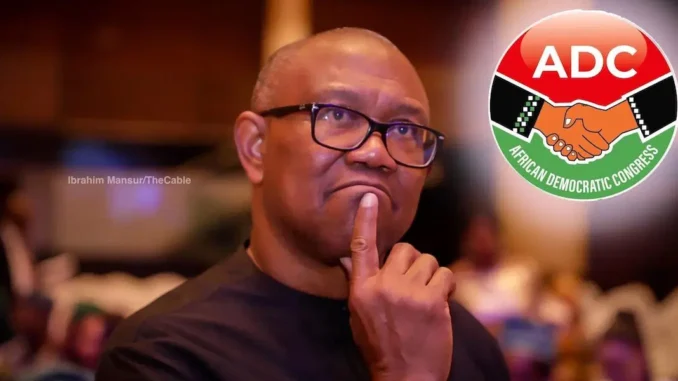
Peter Obi reacts strongly to alleged alterations in Nigeria’s tax laws, comparing them to a “padded budget” and “forged legislation.” Read his full statement, concerns raised, and what it means for transparency, governance, and Nigeria’s tax reform process.From ‘Padded Budget’ to ‘Forged Laws’: Peter Obi Reacts to Alleged Tax Law Alterations in Nigeria
From ‘Padded Budget’ to ‘Forged Laws’: Peter Obi Reacts to Alleged Tax Law Alterations in Nigeria
Former Anambra State Governor and Labour Party presidential candidate, Peter Obi, has reacted sharply to reports of alleged alterations in Nigeria’s tax laws, describing the situation as a disturbing progression from what he previously called a “padded budget” to what now appears to be “forged laws.”
In a strongly worded reaction, Obi raised serious concerns about legislative integrity, transparency, and accountability in Nigeria’s governance process, warning that such practices could further erode public trust and undermine economic stability.
Peter Obi’s Concerns Over Tax Law Changes
Peter Obi expressed alarm over claims that approved tax legislation may have been altered after passage, questioning how laws meant to guide fiscal policy and national development could be modified without due process.
According to Obi, the issue goes beyond politics and speaks directly to the credibility of Nigeria’s democratic institutions. He emphasized that when laws are allegedly altered outside constitutional procedures, it weakens investor confidence and damages the rule of law.
Link to ‘Padded Budget’ Allegations
Drawing parallels with past controversies, Obi noted that Nigeria has previously grappled with accusations of budget padding, where figures allegedly changed after legislative approval. He argued that the reported tax law alterations represent a more dangerous trend, as they directly affect revenue generation, taxation, and economic planning.
“If budgets can be padded and laws can be altered, then the foundation of governance itself is at risk,” Obi warned.
Implications for Nigeria’s Economy and Tax Reform
Tax laws play a crucial role in economic growth, investor confidence, and national revenue generation. Analysts say that any uncertainty surrounding their authenticity could discourage local and foreign investment, complicate compliance, and reduce public willingness to support tax reforms.
Obi stressed that Nigeria cannot afford such controversies at a time when the country is seeking to broaden its tax base, stabilize public finances, and rebuild trust in government institutions.
Call for Transparency and Accountability
Peter Obi called on relevant authorities to clarify the discrepancies, publish authentic versions of the tax laws, and ensure that those responsible for any illegal alterations are held accountable. He also urged lawmakers to recommit to due process and uphold the sanctity of legislative procedures.
According to him, restoring confidence requires open governance, institutional discipline, and respect for the rule of law, especially on matters as sensitive as taxation.
Public Reaction and Political Significance
The comments have sparked widespread discussion across political and civil society circles, with many Nigerians echoing concerns about transparency and governance. Supporters argue that Obi’s stance reinforces his long-standing advocacy for accountability, prudent economic management, and institutional reforms.
Conclusion
Peter Obi’s reaction to the alleged alteration of tax laws has reignited national debate on governance standards in Nigeria. As discussions continue, many observers believe the issue presents a critical test of the country’s commitment to transparency, lawful governance, and economic reform.

Be the first to comment