
 WhatsApp: 08024485178
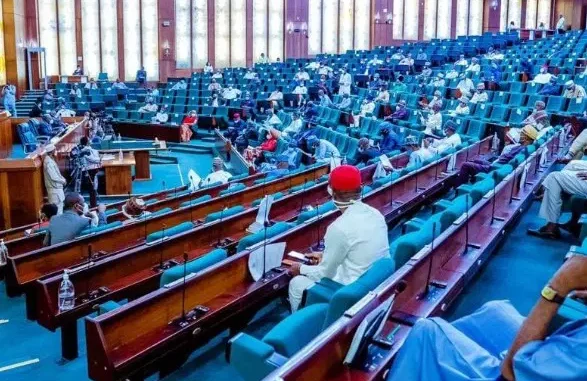
Reps Amend Electoral Act to Strengthen INEC Powers, Defer Contentious Clause
The House of Representatives has taken a significant legislative step by amending the Electoral Act to strengthen the powers of the Independent National Electoral Commission (INEC), while deferring a contentious clause that had generated widespread debate. The move is seen as part of ongoing efforts to improve Nigeria’s electoral framework, enhance transparency, and restore public confidence in the democratic process.Reps Amend Electoral Act to Strengthen INEC Powers, Defer Contentious Clause
Strengthening INEC’s Institutional Authority
One of the major highlights of the amendment is the expansion of INEC’s powers to enable the commission to carry out its constitutional mandate more effectively. Lawmakers emphasized that a stronger and more independent INEC is critical to delivering free, fair, and credible elections.
The amendment focuses on reinforcing INEC’s operational autonomy, allowing the commission greater flexibility in electoral planning, logistics, and enforcement of electoral guidelines. Supporters of the changes argue that empowering INEC will reduce political interference and improve the overall integrity of elections across the country.
Addressing Electoral Challenges Through Legal Reforms
Over the years, Nigeria’s electoral process has faced challenges ranging from logistical shortcomings to legal ambiguities. The amended Electoral Act seeks to address some of these issues by clarifying INEC’s authority in key areas of election management.
By strengthening the legal backing of the commission, the House of Representatives aims to ensure that electoral regulations are applied consistently and that violations of the Electoral Act can be addressed more decisively. This, lawmakers believe, will serve as a deterrent against electoral malpractice.
Deferment of a Contentious Clause
While the House advanced reforms to empower INEC, it chose to defer consideration of a contentious clause within the amendment. The clause had sparked debate among lawmakers, political stakeholders, and civil society groups, with concerns raised about its potential implications for the electoral process.
The decision to defer the clause reflects a cautious legislative approach, allowing for broader consultation and stakeholder engagement before a final decision is made. Lawmakers noted that electoral reforms require consensus and careful consideration to avoid unintended consequences that could undermine democratic principles.
Lawmakers Emphasize Inclusivity and Due Process
Members of the House of Representatives stressed that the deferment does not signal abandonment of the clause but rather a commitment to inclusivity and due process. According to them, further dialogue with relevant stakeholders, including INEC, political parties, and legal experts, will help refine the provision.
This approach aligns with calls from civil society organizations for transparency and public participation in electoral law reforms, especially on issues that could significantly affect future elections.
Implications for Nigeria’s Electoral System
The amendment of the Electoral Act is expected to have far-reaching implications for Nigeria’s democratic development. Strengthening INEC’s powers could lead to more efficient election administration and improved public trust in electoral outcomes.
At the same time, the deferment of the contentious clause underscores the complexity of electoral reforms in a diverse political environment. It highlights the need to balance reform ambitions with constitutional safeguards and public confidence.
Conclusion
The decision by the House of Representatives to amend the Electoral Act, strengthen INEC’s powers, and defer a contentious clause marks an important moment in Nigeria’s ongoing electoral reform process. While the amendments aim to empower the electoral umpire and enhance credibility, the cautious handling of controversial provisions reflects a broader commitment to consensus-building and democratic accountability.
As discussions continue, stakeholders will be watching closely to see how these reforms shape the future of elections in Nigeria and contribute to a more transparent and credible democratic system.

Be the first to comment