
 WhatsApp: 08024485178
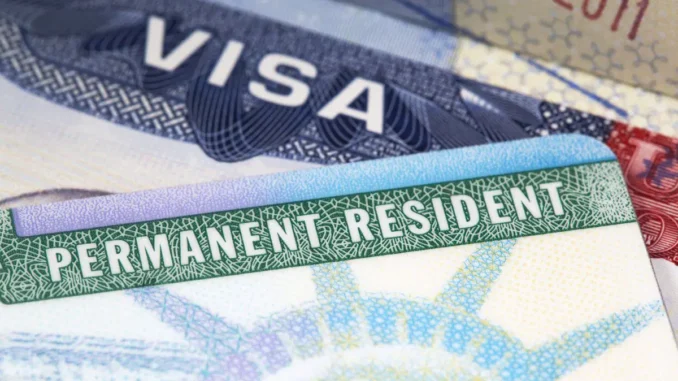
Trump Bans Nigerians & Other Nationals From US Citizenship & Green Card Applications | Immigration Update 2025
The United States has suspended green card and US citizenship applications for Nigerians and other nationals under President Trump’s expanded travel ban. Learn which countries are affected, why the policy was implemented, exemptions, and what it means for prospective immigrants. Trump Bans Nigerians & Other Nationals From US Citizenship & Green Card Applications | Immigration Update 2025
Trump Bans Nigerians & Other Nationals From US Citizenship & Green Card Applications | Immigration Update 2025
The United States government has expanded its travel ban and immigration restrictions, extending a suspension on green card (permanent residency) and US citizenship applications to include Nigerians and several other nationalities. The policy forms part of President Donald Trump’s broader immigration and national security strategy and has sparked widespread reaction from affected communities, legal experts, and advocacy groups.
What the Ban Means
The U.S. Citizenship and Immigration Services (USCIS) has been directed to halt the processing of legal immigration petitions, including permanent residency applications and naturalization requests, for citizens of Nigeria and other countries recently added to the expanded travel ban list. This applies both to individuals abroad seeking to move to the United States and to certain immigrants currently within the U.S. applying for status changes.
Officials say the expanded restrictions now cover nationals of many African and Asian countries, and they are part of a wider pause on immigration filings tied to national security vetting concerns.
Countries Affected
The expanded ban affects several nations newly subjected to partial or total restrictions. The list of partially restricted countries includes Nigeria alongside Angola, Benin, Cote d’Ivoire, Gambia, Senegal, Tanzania, and others. Fully banned countries include Burkina Faso, Mali, Niger, South Sudan, and Syria.
Why the Policy Was Implemented
The U.S. administration has defended the measures as necessary for national security and improved immigration vetting. According to government statements, challenges in screening background information and high visa overstay rates for some countries prompted the expanded policy.
Critics, however, argue the policy disproportionately affects African and other developing nations and could be discriminatory in its scope.
Who Is Exempt
Despite the suspension, certain groups are exempt:
-
Current green card holders (lawful permanent residents) are not barred from returning to or residing in the U.S.
-
Individuals with valid visas issued before the restrictions take effect may still be allowed entry but face tighter inspections.
-
Diplomats, athletes and special immigrant visa categories often also receive exemptions.
What This Means for Prospective Immigrants
For Nigerians and others planning to apply for U.S. citizenship or a green card, this temporary suspension introduces uncertainty and delays in long-term immigration plans. Those already residing in the United States on valid status may not lose their current legal standing but must navigate more stringent processing conditions.
The effective date of the expanded ban is January 1, 2026, and affected applicants outside the U.S. without valid visas on that date may be denied entry or processing.
Looking Forward
The immigration landscape continues to shift as the U.S. government reviews and enforces broader travel and residency restrictions. Legal challenges and international dialogue may impact future changes, but for now, the pause represents a significant barrier for many hopeful immigrants and their families.

Be the first to comment